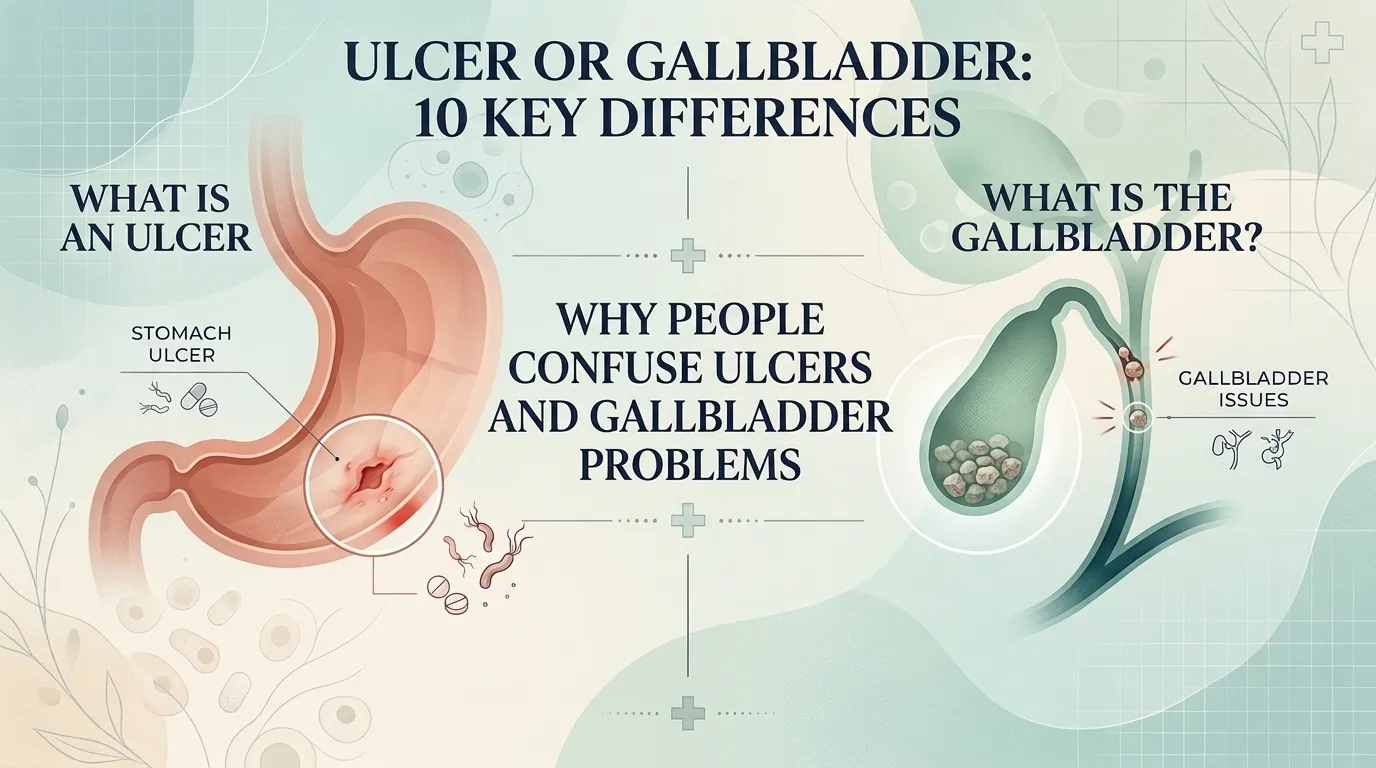
An ulcer and a gallbladder problem can both cause pain in the belly. However, they are not the same. An ulcer is a sore in the lining of the stomach or the first part of the small bowel. A gallbladder problem often happens when hard stones block the flow of bile.
When choosing garnet or ruby, think about your budget, style, and reason for buying. Garnet may be a good choice for daily jewelry or a lower-cost gift. Ruby may be better for fine jewelry or a special event.
Do not judge a stone by its color or size alone. Ask about its quality and any treatment. If you plan to spend a lot, buy from a trusted seller.
Both stones have a long history and a special place in jewelry. The best choice is the one that fits your needs and brings you joy.
What Is an Ulcer?
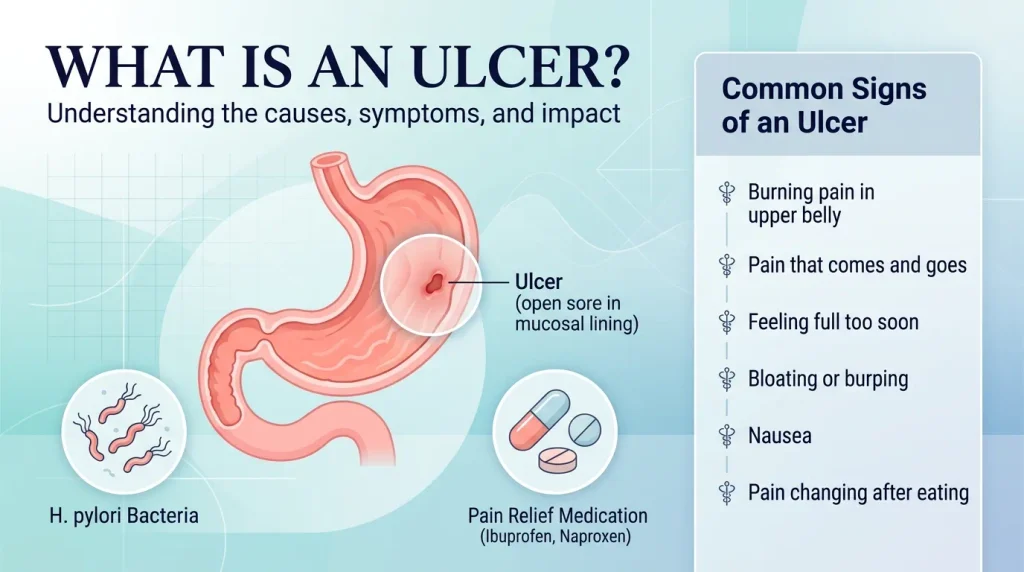
An ulcer is an open sore in the lining of the stomach or the upper part of the small bowel. This part of the bowel is called the duodenum.
The stomach has a layer that helps protect it from acid. When this layer is damaged, a sore can form. The sore may cause pain, burning, or other stomach problems.
Two common causes are a germ called Helicobacter pylori (H. pylori) and the regular use of some pain medicines. These medicines include ibuprofen and naproxen.
Common Signs of an Ulcer
- Burning pain in the upper belly
- Pain that comes and goes
- Feeling full too soon
- Bloating or burping
- Nausea or an upset stomach
- Pain that may change after eating
Example: A person feels a burning pain in the upper belly at night. The pain may be linked to an ulcer, but a doctor must check the cause.
What Is the Gallbladder?
The gallbladder is a small, pear-shaped organ under the liver. It stores bile, a fluid that helps the body digest fat.
Gallstones are hard pieces that can form inside the gallbladder. Many people have gallstones and do not feel any pain. Problems can begin when a stone blocks a tube that carries bile.
A blocked tube may cause strong pain in the upper right side of the belly. The pain can also spread to the back or right shoulder.
Common Signs of a Gallbladder Problem
- Pain in the upper right belly
- Pain after a large or fatty meal
- Pain that lasts for a while
- Nausea or vomiting
- Pain that may spread to the back
- Fever or yellow skin in serious cases
Example: A person feels strong pain under the right ribs after eating fried food. This could be a gallbladder problem, but medical care is needed to confirm it.
Ulcer or Gallbladder: 10 Key Differences
1. Main Cause
An ulcer forms when the lining of the stomach or upper small bowel becomes damaged. H. pylori germs and some pain medicines are common causes.
Gallbladder pain often comes from gallstones that block the flow of bile. The gallbladder can also become swollen or infected.
Examples:
- An ulcer may form because of an H. pylori infection.
- Gallstones may block a tube and cause pain.
2. Place of Pain
Ulcer pain often occurs in the upper middle part of the belly. It may feel like burning or a dull ache.
Gallbladder pain often occurs in the upper right part of the belly, under the ribs. It may spread to the back or right shoulder.
Examples:
- A person feels burning pain near the center of the upper belly.
- Another person feels strong pain under the right ribs.
3. Link to Meals
Ulcer pain may change after eating. For some people, food makes the pain better. For others, it makes the pain worse.
Gallbladder pain may start after a fatty or heavy meal. This can happen because the gallbladder squeezes to release bile.
Examples:
- A person feels more stomach pain after a meal.
- A person feels right-side belly pain after eating fried food.
4. Type of Pain
Ulcer pain often feels like burning, gnawing, or aching. It may come and go.
Gallbladder pain can feel sharp, steady, or strong. It may last from minutes to several hours.
Examples:
- A person feels a burning ache in the upper belly.
- A person feels steady pain under the right ribs.
5. Common Symptoms
An ulcer may cause bloating, burping, nausea, and a feeling of fullness. Some people have no clear signs until a problem becomes serious.
A gallbladder problem may cause nausea, vomiting, and pain after meals. If there is a blockage or infection, other warning signs may appear.
Examples:
- A person feels full and has a burning stomach ache.
- A person feels sick and has pain on the right side.
6. Effect on Digestion
An ulcer affects the lining of the stomach or upper small bowel. It may cause discomfort during digestion.
The gallbladder stores bile, which helps digest fat. When bile cannot flow well, a person may have pain or other digestive symptoms.
Examples:
- An ulcer causes pain in the upper belly.
- A gallbladder problem causes pain after a fatty meal.
7. Main Tests
Doctors may test for H. pylori with a breath, stool, or other test. They may also use a camera test called an endoscopy to look inside the upper digestive tract.
For gallbladder problems, doctors often use an ultrasound scan. Blood tests may help check for infection or problems with the liver and bile ducts.
Examples:
- A doctor may suggest an endoscopy for a suspected ulcer.
- A doctor may order an ultrasound to look for gallstones.
8. Common Treatment
Ulcer treatment depends on its cause. Doctors may give acid-reducing medicine. If H. pylori is found, treatment usually includes antibiotics and acid-reducing medicine.
Gallbladder treatment depends on the problem. Some people with silent gallstones need no treatment. People with repeated painful attacks may need surgery to remove the gallbladder.
Examples:
- A person takes medicine to help an ulcer heal.
- A person with painful gallstones may need surgery.
9. Possible Risks
An untreated ulcer can bleed or create a hole in the stomach or bowel wall. These problems can be dangerous.
A gallbladder problem can lead to swelling, infection, or a blocked bile duct. Serious cases need urgent medical care.
Examples:
- An ulcer may cause bleeding inside the body.
- A blocked gallstone may lead to infection.
10. Long-Term Care
Ulcer care may include taking the right medicine, treating H. pylori, and avoiding pain medicines that can harm the stomach unless a doctor advises their use.
Gallbladder care depends on the cause and symptoms. A doctor may suggest changes to meals, treatment for stones, or surgery when needed.
Examples:
- A person follows the full treatment plan for an ulcer.
- A person with repeated gallbladder attacks discusses treatment with a doctor.
Also read more about https://textlinkerpro.com/unformal-or-informal/
Nature and Symptoms of Ulcers and Gallbladder Problems
Nature of an Ulcer
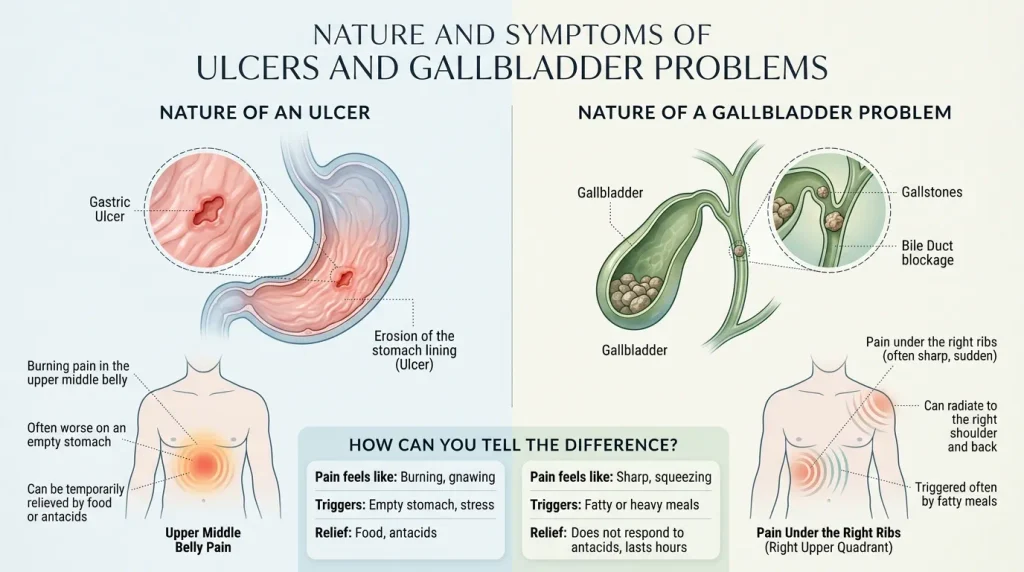
An ulcer is a sore in the inner lining of the stomach or upper small bowel. It can be small, but it may still cause pain. Some ulcers heal with the right treatment.
The pain may appear when the stomach is empty or after a meal. This can differ from person to person. Symptoms alone cannot prove that a person has an ulcer.
Nature of a Gallbladder Problem
The gallbladder stores bile and releases it when the body needs help digesting fat. Gallstones may form when parts of bile harden.
Some people have stones but no symptoms. Others may have sudden pain when a stone blocks a tube. If the gallbladder becomes swollen or infected, the person may also have fever and feel very unwell.
How Can You Tell the Difference?
The place and type of pain may offer clues. Burning pain in the upper middle belly may be linked to an ulcer. Strong pain under the right ribs may be linked to the gallbladder.
However, these signs can overlap with other health problems. A doctor may need to ask questions, examine you, and order tests to find the real cause.
Do not try to diagnose yourself by pain alone.
Comparison Table: Ulcer vs. Gallbladder
| Feature | Ulcer | Gallbladder Problem |
| What it is | A sore in the stomach or upper bowel lining | A problem with the organ that stores bile |
| Common cause | H. pylori or some pain medicines | Gallstones or swelling |
| Main pain area | Upper middle belly | Upper right belly |
| Type of pain | Often burning or aching | Often steady or strong |
| Food link | Pain may improve or worsen after food | Pain may follow a fatty meal |
| Other signs | Bloating, burping, nausea | Nausea, vomiting, sometimes fever |
| Common test | H. pylori test or endoscopy | Ultrasound and blood tests |
| Treatment | Acid-reducing medicine; antibiotics for H. pylori | Depends on the problem; sometimes surgery |
| Main risk | Bleeding or a hole in the lining | Infection or blocked bile duct |
| Medical care | Needed for diagnosis and treatment | Needed for diagnosis and treatment |
Why People Confuse Ulcers and Gallbladder Problems
People often confuse these conditions because both can cause pain in the upper belly. Both may also cause nausea, vomiting, and discomfort after eating.
The pain may not always appear in the same place. Some people have mild symptoms, while others have strong pain. This makes it hard to tell the cause without medical help.
Another reason is that people may blame all belly pain on food. A meal can make symptoms worse, but it does not always show which organ is causing the problem.
The safest choice is to talk to a health professional if pain keeps coming back, gets worse, or affects daily life.
When Should You Seek Medical Help?
Get urgent medical care if you have any of these warning signs:
- Sudden or severe belly pain
- Pain with fever or chills
- Yellow skin or yellow eyes
- Repeated vomiting
- Vomit that contains blood
- Black, sticky stools
- Fainting, severe weakness, or trouble breathing
Possible Question
1. Can an ulcer feel like gallbladder pain?
Yes. Both can cause pain in the upper belly. But an ulcer often causes burning pain near the middle, while gallbladder pain often occurs under the right ribs. A medical check is needed to know the cause.
2. Does gallbladder pain happen after eating?
It can. Gallbladder pain may start after a large or fatty meal. However, pain after eating can have other causes too.
3. Can an ulcer cause nausea?
Yes. An ulcer may cause nausea, bloating, or a feeling of fullness. Some people may have pain without many other signs.
4. Can gallstones cause pain every day?
Some people have repeated attacks, while others have no pain at all. Daily pain needs medical review because it may have more than one cause.
5. Which test can find an ulcer?
Doctors may use an H. pylori test or an endoscopy. The right test depends on your symptoms and medical history.
6. Which test can find gallstones?
An ultrasound is a common test for gallstones. A doctor may also order blood tests or other scans when needed.
7. Can an ulcer heal?
Many ulcers can heal with the right treatment. The treatment may include acid-reducing medicine and antibiotics if H. pylori is present.
8. Do all gallstones need surgery?
No. Gallstones that cause no symptoms may not need treatment. Painful or complicated gallstones may need surgery or another treatment.
9. Should I avoid all fatty foods if I have gallbladder pain?
A doctor may suggest limiting foods that trigger your symptoms. But food changes do not replace medical care, especially if pain is strong or keeps returning.
10. Can I tell which condition I have at home?
No. Symptoms can give clues, but they cannot confirm the cause. A doctor can check your symptoms and decide which tests you need.
Conclusion
Ulcer or gallbladder problems can both cause pain in the upper belly, but they affect different parts of the body. An ulcer is a sore in the lining of the stomach or upper small bowel. A gallbladder problem often involves gallstones or swelling in the small organ under the liver .Ulcer pain may feel like burning near the middle of the upper belly. Gallbladder pain often occurs under the right ribs and may follow a fatty meal. Still, symptoms can overlap, so it is not safe to make a diagnosis from pain alone. Doctors use different tests to find the cause. Ulcers may need medicine, while painful gallstones may need surgery. Get urgent care for severe pain, fever, yellow skin, blood in vomit, or black stools .Learning the difference can help you ask better questions and seek care at the right time. If your pain keeps coming back, speak with a health professional.

I’m Khadija Zafar, a content writer and blogger. I write simple, engaging articles on English grammar, word meanings, synonyms, antonyms, and vocabulary to help readers improve their English skills.










1 thought on “Ulcer or Gallbladder: Key Differences, Symptoms, and Causes”